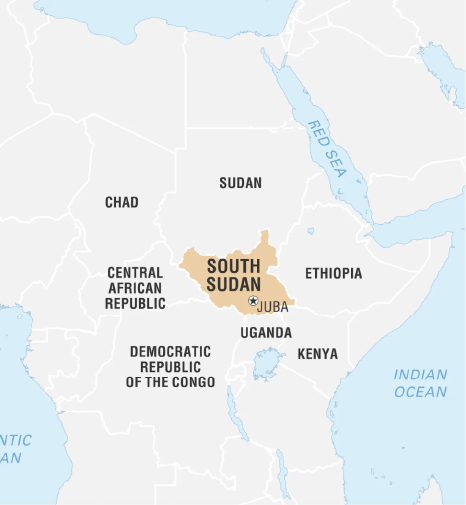
Salama — meaning “safety” or “well-being” in Juba Arabic and Classical Arabic — is a child-centered project led by a renowned NGO, dedicated to promoting safety, protection, and dignity for children in South Sudan — a country facing complex challenges due to conflict, poverty, displacement, and weak protection systems.
With millions of children vulnerable to abuse, neglect, exploitation, and early marriage, Salama aims to strengthen the environment around children, raise awareness about their rights, and empower communities to play a central role in child protection.
The project emphasizes inclusion, cultural sensitivity, and accessibility, working closely with schools, families, local leaders, and youth to ensure that every child feels seen, heard, and safe — no matter where they live or what language they speak.
Experience Designer
2 months
To design a journey for a world's known NGO system 'Salama' that would provide the security to the children in South Sudan
Figma,Miro
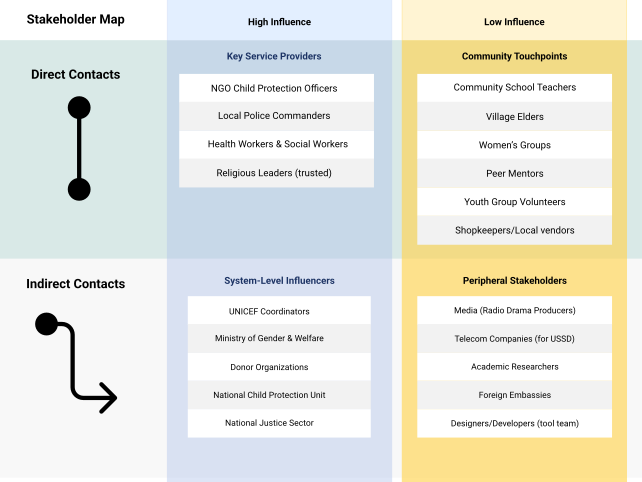
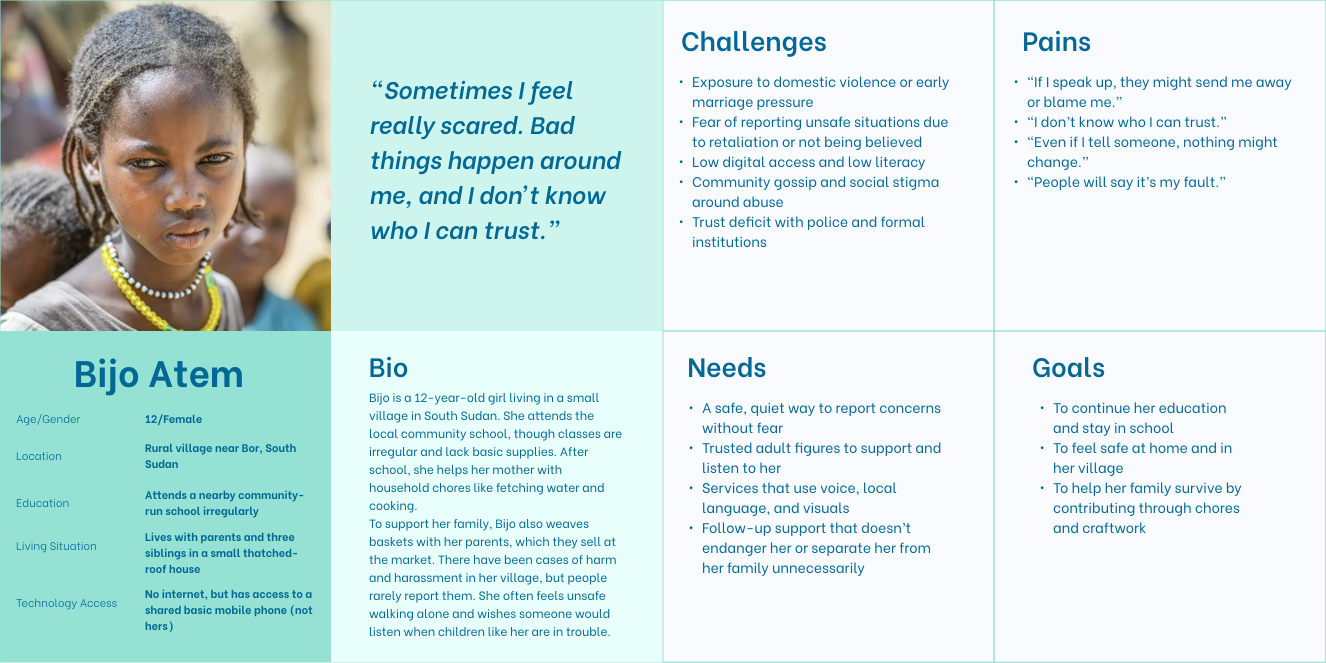
We identified the individuals in Bijo’s community with high and low levels of influence.
Among the highly influential stakeholders—especially those in direct contact with children—the recurring issue was that many were either corrupt, fearful, or unaware of how to respond appropriately.
This insight, gathered from past cases discussed with the NGO, led to the decision to establish a new team and revised processes to ensure safer, more reliable support for children like Bijo.
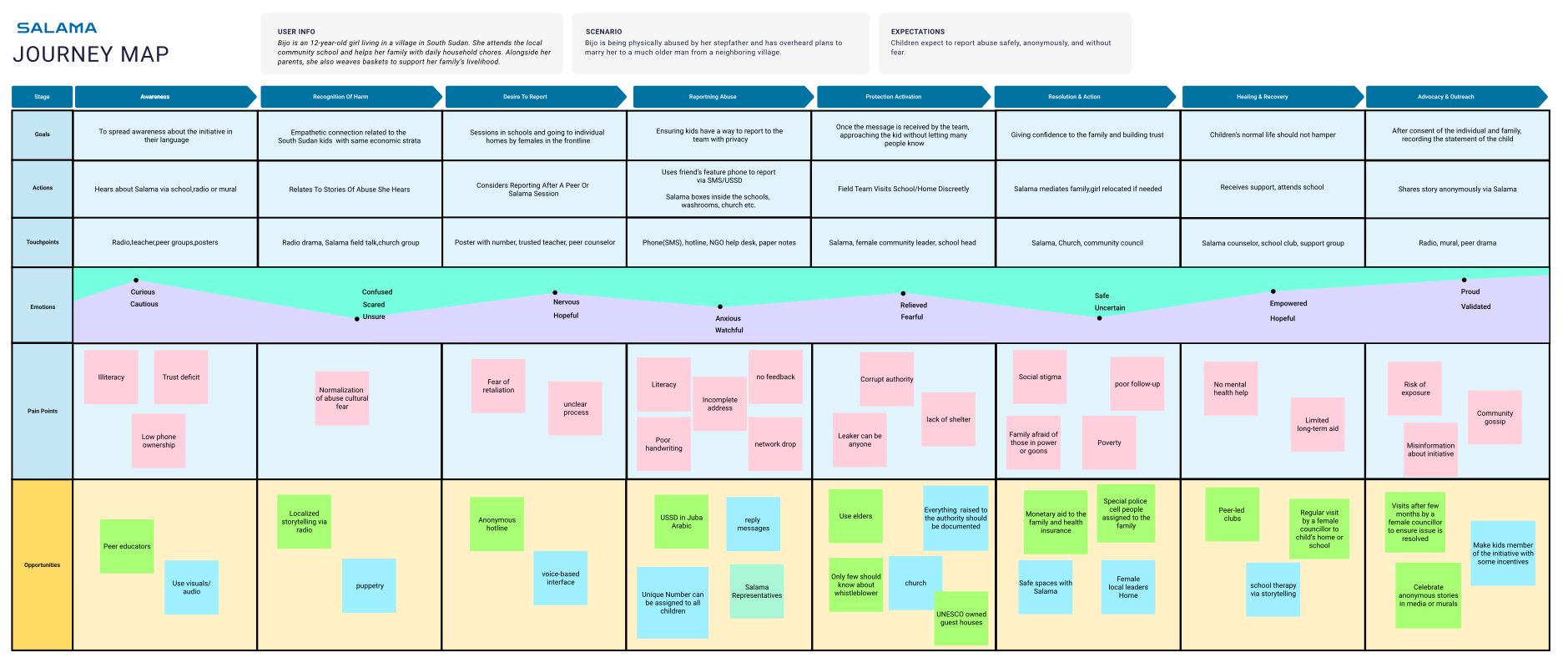
Bijo is an 12-year-old girl from a village. She goes to school, helps her family with chores, and makes baskets to support them. Her story is a true example of how many children live in South Sudan.
Including a real problem like abuse and the risk of early marriage makes the journey more serious and easier to understand.
The journey map shows 8 clear steps:
Awareness → Knowing Something is Wrong → Wanting to Report → Reporting the Problem → Getting Protection → Taking Action → Healing → Speaking Out
This matches how child safety can work in places where there aren’t many services.
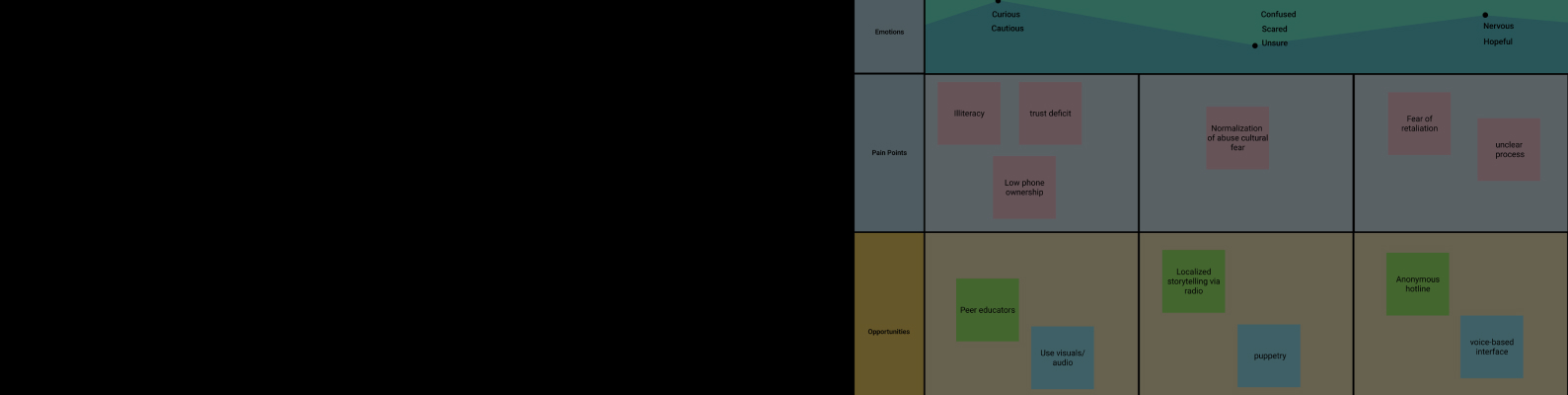
The child’s feelings are shown step by step:
Curious → Careful → Scared → Hopeful → Relieved → Strong → Confident
This emotional path helps design messages that are kind, caring, and helpful for children who have gone through hard times.
The map shows real problems such as:
These are not just tech issues — they are emotional and social problems. That makes this journey map feel more real than many from other countries.
The map gives simple, useful ideas that fit the local culture:
These ideas show a deep understanding of South Sudan’s challenges and what works best there.